What the Passengers Knew
“Are you guys ready? Okay. Let’s roll.” —Voice recorded aboard United Flight 93, September 11, 2001
September 11th at twenty-five years: two death tolls, one enemy, and what a mayor chooses to say loudest
Twenty-five years ago this morning, I dropped my son off at daycare and headed to work like any other Tuesday. Somewhere between the daycare and the office, my husband called. The World Trade Center had been struck by planes. I remember the disbelief more than the words, the feeling that the sentence he was saying could not be a true sentence. By the time I reached the office he had called again. There was another plane down, this one in a field in Pennsylvania. I made my way to the cafeteria, where my coworkers were already gathered, all of us standing, nobody sitting, staring at the television screens as the media tried to explain what could not yet be explained. America was under attack, on American soil, by terrorists. Al Qaeda. Osama bin Laden. Words that meant little to most of us at nine in the morning and would shadow the rest of our lives by nightfall.
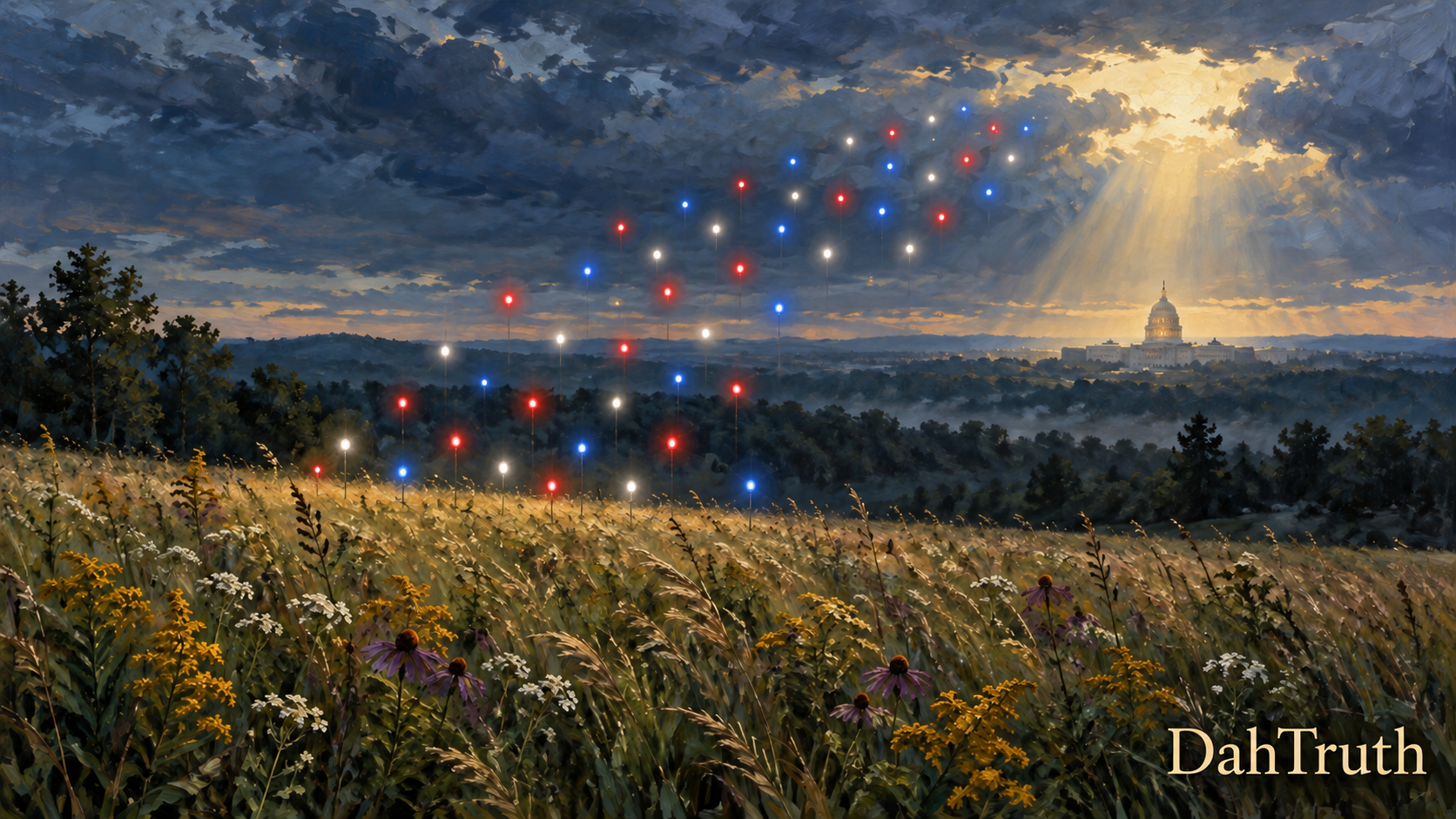
We know now what we were watching. Four planes had been turned into weapons, and the targets were chosen as a portrait of American power. The Twin Towers, the financial heart. The Pentagon, the military arm. And the fourth plane, United Flight 93, aimed at the head, the Capitol or the White House, the seat of American government itself. Money, might, and government, struck in one morning, on live television. Three of the four blows landed. The fourth did not, because forty ordinary passengers, people who had boarded a routine flight with newspapers and carry-on bags, learned by telephone what the other planes had done, took a vote, said a prayer, and charged the cockpit. The plane went down in a field near Shanksville, Pennsylvania, short of its target. The seat of American government was defended that morning by civilians with a beverage cart. And let it be recorded that among the forty were three Black Americans, all crew. First Officer LeRoy Homer Jr., an Air Force veteran, was beaten at the controls fighting the hijackers before the passengers in the back knew anything was wrong. Wanda Green, a flight attendant of twenty-nine years and an ordained deacon, was in the galley boiling water for a weapon. And CeeCee Lyles, a former police officer, called her husband to say she was trying to be calm, and then went to war at thirty thousand feet. Our people were on that plane, defending that government, too. Whenever I hear people wonder whether ordinary Americans still have it in them, I think about coach class on Flight 93.
Two thousand nine hundred seventy-seven people were murdered that day. And here is the fact that should stop every one of us this anniversary: the dying never stopped. Twenty-five years later, more people have now died of illnesses related to September 11th, the cancers and lung diseases carried out of that toxic cloud, than were killed on the day itself. The firefighters and police officers and volunteers who ran toward the pile, the residents and office workers who came back downtown when they were told it was safe, have been burying each other for a quarter century. The attack has two death tolls, the one the terrorists caused in an hour and the one that unfolded across a generation.
Which brings me to this week, and to the mayor of New York.
Three days before the anniversary, Mayor Zohran Mamdani released more than 170,000 pages of city records concerning the air at Ground Zero. Let me say plainly what those records show, because truth is truth no matter who hands it to you. They show that officials, across administrations of both parties, assured the public the air was safe while their own documents recorded worry about lawsuits over chemical exposure. The release settled two lawsuits brought by 9/11 Health Watch, an advocacy group for survivors and responders. Jon Stewart, who has fought for the responders longer and harder than almost any public figure in America, stood beside the mayor at the announcement, along with family members of the dead. The people vindicated by those documents are the men and women who got sick, who were told for years that their coughs were coincidence. They deserved those records, and whoever finally handed them over did a right thing. I will not pretend otherwise because I dislike the man's politics.
But commemoration is a matter of emphasis, and emphasis tells you what a leader believes the story is. In anniversary week, the loudest official voice in New York was raised to say that the leaders people trusted lied about the air. When reporters asked the mayor directly who lied, he declined to name anyone, leaving that judgment, he said, to New Yorkers. And the authors of the atrocity itself, the men who turned four planes full of human beings into missiles in the name of a radical ideology, received nothing like the same fervor from that podium. Even the former mayor's spokesman, whatever you think of Rudy Giuliani, said the thing that needed saying: the terrorists are one hundred percent responsible for all of the death and destruction of that day and for all of the suffering and illness that has followed. The lie about the air was a sin of the aftermath. The atrocity was the cause. And on the cause, the record has never been hidden. The 9/11 Commission established it more than two decades ago: al Qaeda's purpose was the mass murder of Americans and the destruction of the symbols of American power. That finding sits in every library in this country. Nobody had to sue for it. The mayor's 170,000 pages concern the aftermath; the indictment of the enemy was never sealed and never needed a settlement to see daylight. What was missing at the podium this week was never access to that truth. It was the will to read it aloud. A commemoration that prosecutes the aftermath while speaking softly of the cause has its story backwards, and more than one hundred ten thousand New Yorkers signed a petition objecting to the mayor's presence at Ground Zero because they sense exactly that. My concern here is his emphasis, which is public and quotable, and it tells.
It fits a pattern in his own words. On the eve of America's two hundred fiftieth birthday, seated at George Washington's desk, flanked by newly naturalized citizens holding flags, the mayor gave a speech in which the powerful treat America as, in his phrase, an arena of supremacy where only a select few are allowed freedom, where masked agents terrorize our streets, where oligarchs buy elections. His defenders call this critical patriotism, loving the promise while prosecuting the practice. Perhaps. But I have noticed that his patriotism only ever seems to show up for the prosecution. On the nation's birthday, the indictment. On the nation's day of mourning, the indictment. A man may love his country the way a prosecutor loves the law, but the anniversary of September 11th is a funeral, and you can learn a great deal about a man by what he chooses to say loudest at a funeral.
And there is a larger question behind the man, because the mayor is a longtime member of the Democratic Socialists of America, and this summer that organization published its program in black and white. It calls for abolishing the United States Senate. It calls for replacing the President and the Supreme Court with an executive and judiciary chosen by and subordinate to Congress, which in plain language means dismantling the separation of powers, the machinery Madison built to keep any faction from consolidating everything. It calls for abolishing ICE, eventually eliminating national borders, defunding the Pentagon, phasing out police and prisons, and shifting most large corporations to public ownership. None of this is my characterization. Their own national co-chair went on television and confirmed the list, item by item, proudly. The mayor of New York should be asked, on the record, whether he endorses his organization's published program or repudiates it, and New Yorkers deserve a plain answer.
Now let me be careful here, because the anniversary demands it. The men of September 11th attacked the Towers, the Pentagon, and the Capitol because they understood what those institutions are, the pillars of the American order: our commerce, our defense, our self-government. A political movement publishing a platform is not a hijacking, and I refuse the comparison outright. DSA has hidden nothing; they printed their intentions and confirmed them on camera, which is the opposite of a plot. That is precisely what should sober us. A plot can be exposed and stopped. An open program requires only that nobody take it seriously until it is done. History teaches that constitutional orders are rarely destroyed by invasion. They are voted out, restructured, hollowed by lawful steps taken by movements that announced their intentions in advance, while the public assumed that legal meant safe. Legal describes the method. It says nothing about the destination. The destination is printed, and my prayer this anniversary is that Americans will simply read it.
The terrorists could not bring down the constitutional order from the outside. Forty passengers in coach made sure the government's own house still stood by ten in the morning. The question this anniversary poses is quieter and harder: whether we will preserve from the inside what they died protecting from the outside. That work does not require charging a cockpit. It requires paying attention, reading platforms, asking our leaders plain questions and requiring plain answers, and remembering, every September, both death tolls and the one enemy who caused them.
Twenty-five years ago I stood in a cafeteria in New Jersey and watched my country attacked. My son, who was in daycare that morning, is a grown man now. The country he inherits will be decided the ordinary way, by what we read, what we ask, and what we refuse to stop remembering. God rest the two thousand nine hundred seventy-seven, and the thousands who followed them from the toxic air, and the forty who took the vote. We remember. That is the assignment.
